 KH
KH  FR
FR  AR
AR CN
CNCambodia Urges Peaceful Resolution and Trust-Building in Border Dispute with Thailand in UNGA
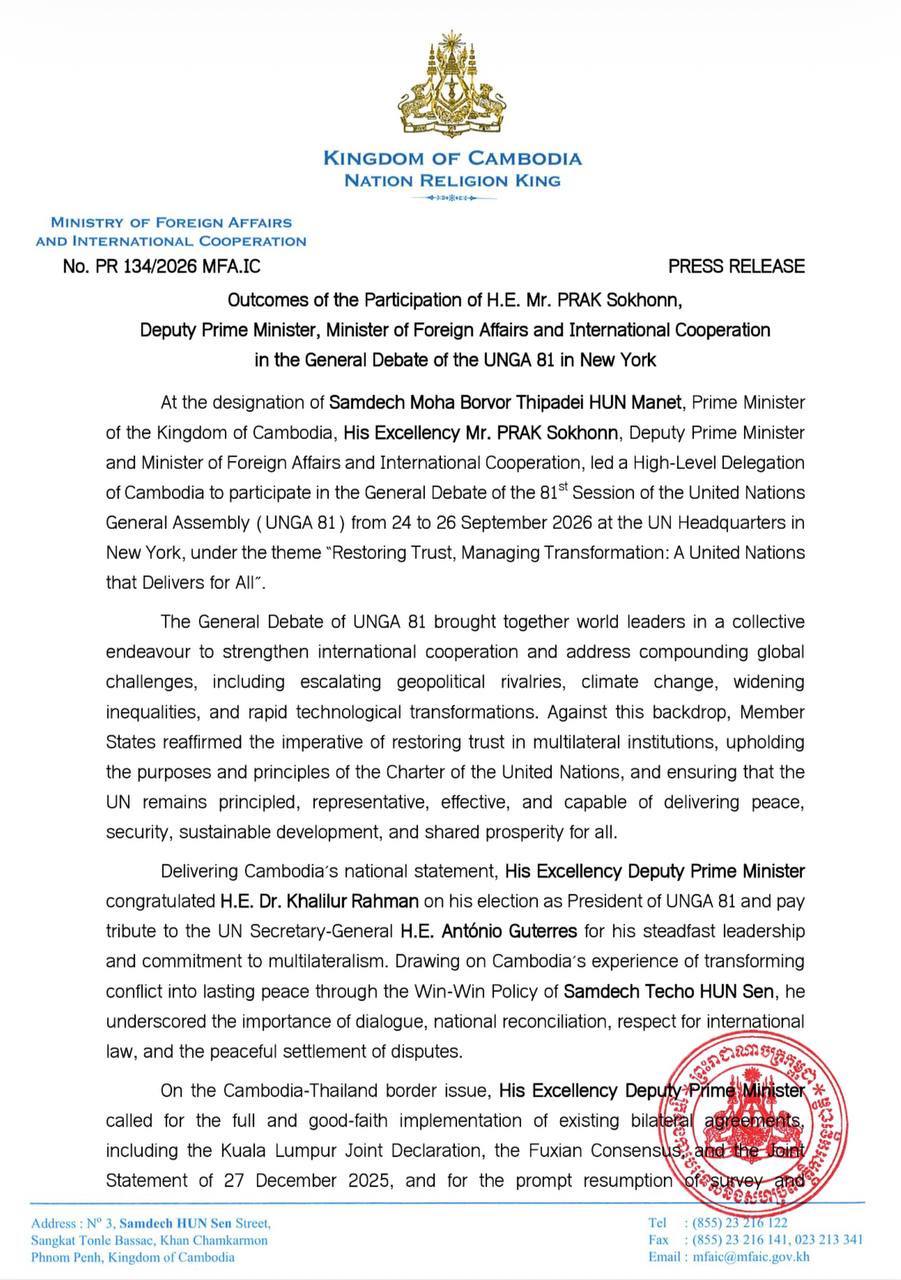
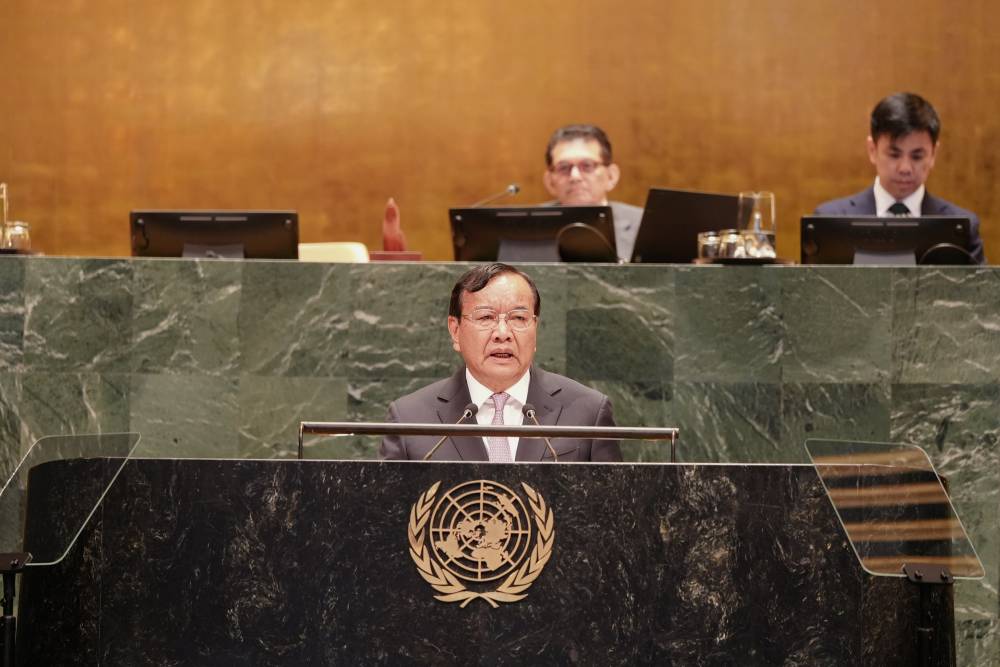
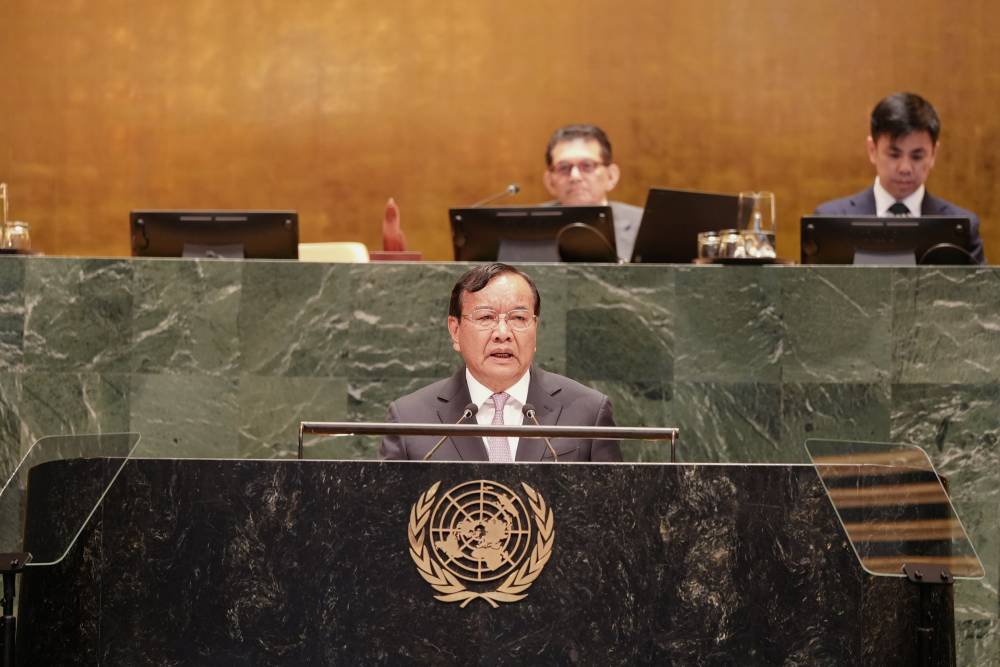
AKP Phnom Penh, September 27, 2026 -- Cambodia has called for renewed efforts to restore trust and resolve its border dispute with Thailand through dialogue, existing bilateral agreements and international law, Deputy Prime Minister and Minister of Foreign Affairs and International Cooperation, H.E. Prak Sokhonn told the United Nations General Assembly (UNGA).
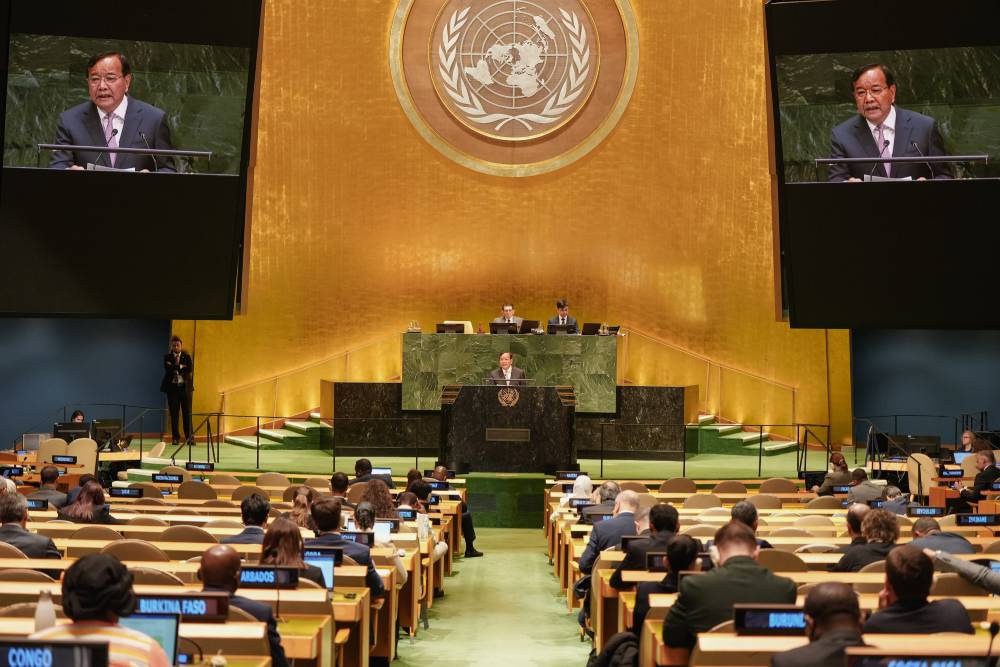
Addressing the General Debate of the 81st session of the UNGA in New York on Saturday, H.E. Prak Sokhonn said recent tensions and conflict between the two nations had seriously eroded trust and confidence between the two neighbouring countries.
The Cambodian Deputy Prime Minister said the consequences went beyond strained bilateral relations, citing damage to cultural heritage and the lingering threat posed by unexploded ordnance.
“Yet geography binds us together,” H.E. Prak Sokhonn said, stressing that Cambodia and Thailand would remain permanent neighbours and that the peace, stability and prosperity of their peoples were closely interconnected.
He said rebuilding trust was therefore essential to the future of bilateral relations and to maintaining lasting peace and good-neighbourly relations.
According to the Cambodian Foreign Minister, restoring trust should be based on concrete commitments and the full and effective implementation, in good faith, of agreements reached between the two countries.
H.E. Prak Sokhonn referred specifically to the Kuala Lumpur Joint Declaration, the Fuxian Consensus, and the Joint Statement of Dec. 27, 2025. He said the latter included commitments by both sides to renounce the threat or use of force, respect international boundaries, de-escalate tensions, rebuild trust and advance the normalisation of bilateral relations.
H.E. Prak Sokhonn also called for the prompt resumption of survey and demarcation work by the Joint Boundary Commission, saying such work could contribute to resolving outstanding boundary-related claims and establishing a clear and mutually recognised boundary in accordance with international law and existing treaties and agreements between Cambodia and Thailand.
H.E. Prak Sokhonn also raised the issue of Cambodian civilians who, according to his statement, remain unable to return to their homes because of what Cambodia describes as continued military occupation and obstruction.
More than 20,000 Cambodian civilians remained affected, he said, referring to remarks by a UN Special Rapporteur who visited the border in July, quoting the official as saying that the civilians “need and deserve to go home.”
H.E. Prak Sokhonn further called for the cessation of activities in occupied territories, arguing that such activities could create or consolidate a “fait accompli.” He said ending such activities would provide a tangible demonstration of goodwill and respect for international law.
On the maritime dispute, the Cambodian Foreign Minister also linked the broader issue of peaceful dispute settlement to the maritime dispute between Cambodia and Thailand.
H.E. Prak Sokhonn said Thailand had decided in May to unilaterally terminate the 2001 Memorandum of Understanding (MOU), which Cambodia considers the only existing legal framework specifically established to address the two countries' maritime disputes.
Cambodia subsequently initiated compulsory conciliation proceedings under the United Nations Convention on the Law of the Sea (UNCLOS).
The move was intended to protect Cambodia's sovereignty and maritime rights in accordance with international law, while maintaining Cambodia's stated preference for a peaceful relationship with Thailand based on cooperation and mutual respect, he underlined.
H.E. Prak Sokhonn also expressed Cambodia's appreciation to the Conciliation Commission for its willingness to assist the two countries in resolving the maritime dispute peacefully, following its first meeting in Singapore earlier in September.
He described the conciliation as an opportunity to bridge differences, rebuild trust and establish a stronger foundation for peaceful and constructive relations between Cambodia and Thailand.
Throughout his remarks, H.E. Prak Sokhonn framed Cambodia's approach to the border and maritime disputes as part of its broader commitment to the peaceful settlement of international disputes.
H.E. Prak Sokhonn emphasised that sovereign equality should remain a fundamental principle of international relations and said the UN Charter should apply equally to all member states, regardless of their size or power.
For Cambodia, he said, restoring trust between neighbouring countries requires respect for international law, implementation of existing agreements and practical measures to reduce tensions.
By Heng Panha