 KH
KH  FR
FR  AR
AR CN
CNPolicy Makers and Scholars Gather to Reflect on Civilisation as a Source of Nation Branding
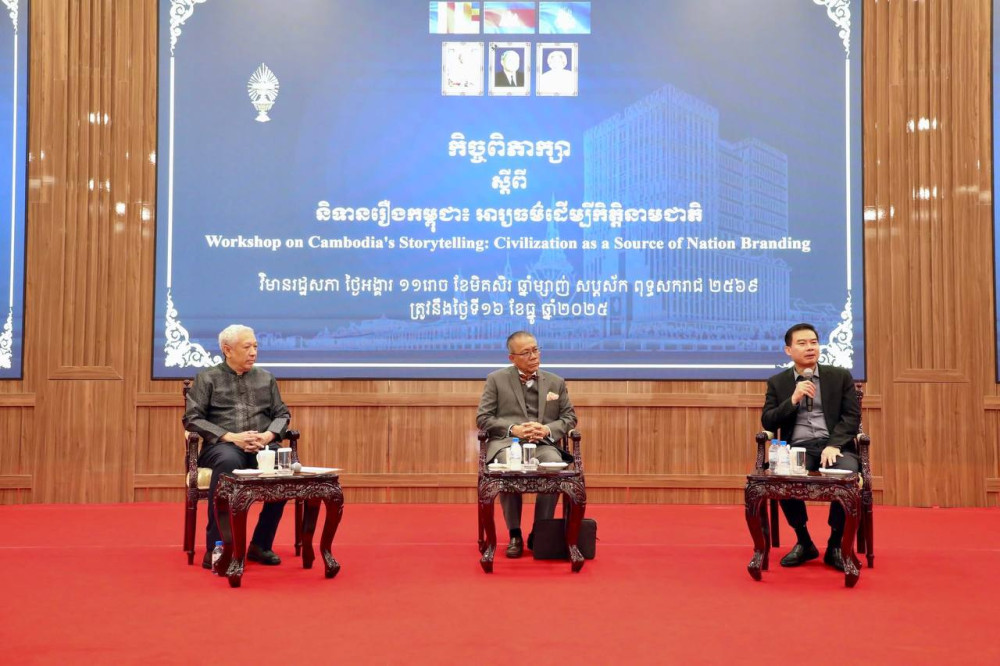
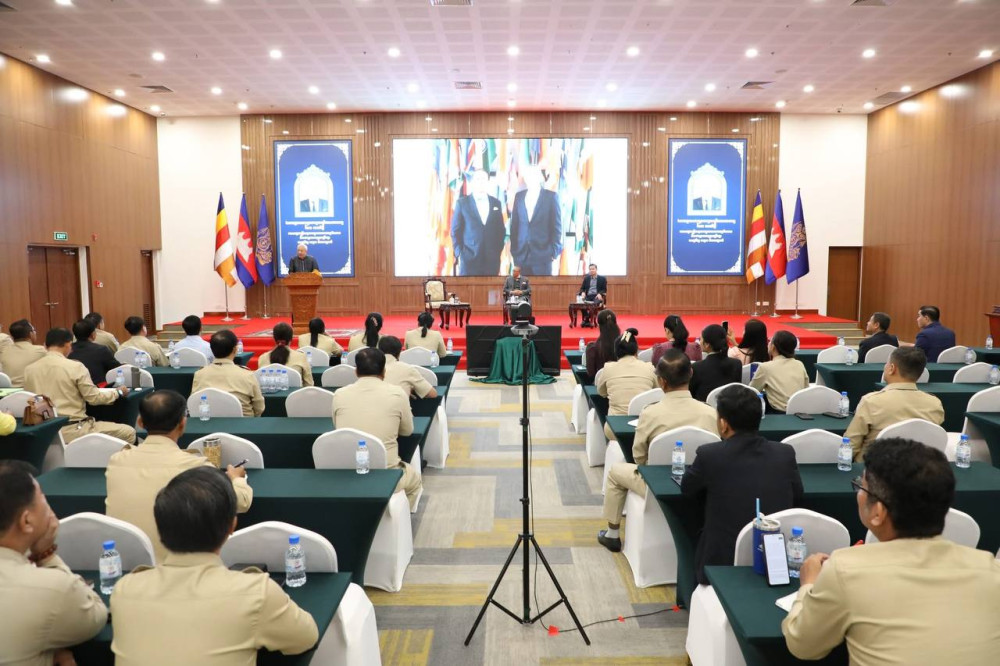
AKP Phnom Penh, December 17, 2025 -- The National Assembly of the Kingdom of Cambodia hosted here on Dec. 16 a workshop titled “Cambodia’s Storytelling: Civilisation as a Source of Nation Branding,” bringing together policymakers, scholars, and officials to reflect on how Cambodia’s civilisation and identity can be meaningfully communicated to the world.
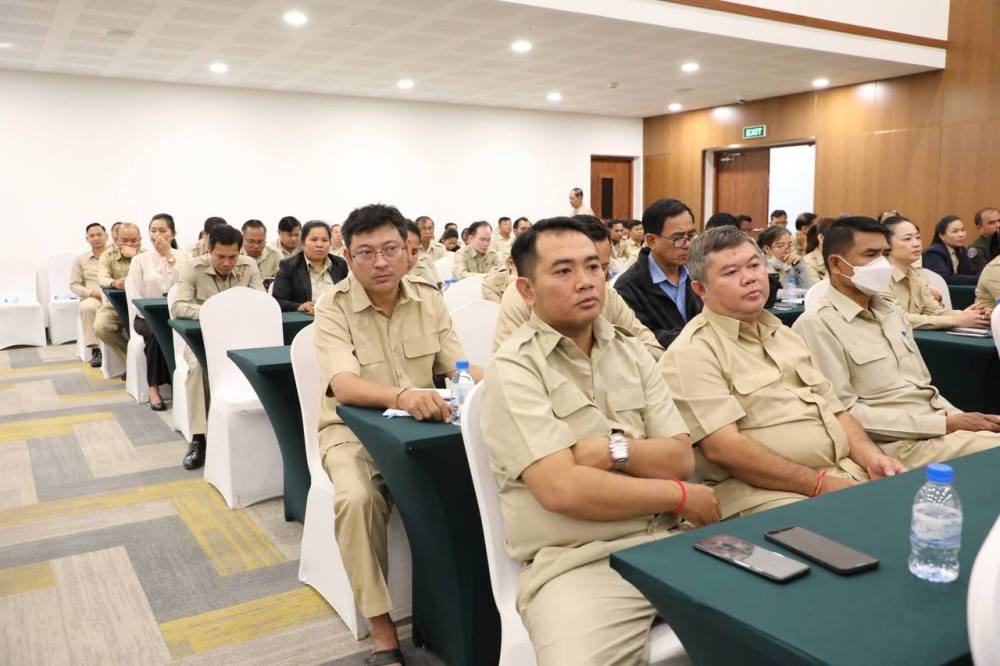
The workshop featured a joint dialogue by H.E. Prof. CHHEM Kieth Rethy, Senior Minister in Charge of Special Mission and Chairman of the Economic, Social and Cultural Council (ECOSOCC), and H.E. Prof. Bundit Sapheacha Dr. SOK Siphana, Senior Minister in charge of Special Missions and Chairman of the Trade Policy Board, moderated by H.E. Dr. CHHEANG Vannarith, Chairman of the National Assembly Advisory Council and Deputy Secretary General of the National Assembly. More than 300 officials from the Secretariat General of the National Assembly participated in the workshop.
The dialogue sought to define and reframe what it means to be Khmer, presenting Khmer identity as a holistic and evolving concept that extends beyond ethnicity alone. It emphasised that being Khmer is rooted not only in ethnic heritage, but also in lived culture and a long-standing civilisation shaped by history, language, land, moral values, and shared experiences across generations.
Key takeaways from the discussion emphasised the importance of engaging critically with Cambodia’s history as a foundation for shaping its future. H.E. Prof. Bundit Sapheacha Dr. SOK Siphana stressed that Cambodia must not only celebrate the achievements and successes of its civilisation, but also openly reflect on past mistakes and failures. He underlined that acknowledging these historical shortcomings allows future generations to learn meaningful lessons, develop deeper understanding, and translate historical reflection into more informed and forward-looking policy choices.
Another central takeaway highlighted the need to reclaim Cambodian voices in narrating the country’s civilisation. H.E. Prof. CHHEM Kieth Rethy noted that while some Western epistemological narratives have portrayed Khmer civilisation—and particularly the Angkor era—as having “fallen,” this interpretation overlooks the lived continuity of Khmer culture. He emphasised that Cambodian civilisation never disappeared, even during periods of profound hardship, as cultural values, ways of living, and collective identity endured within the people themselves. From a Khmer epistemological perspective, he underscored the importance of reclaiming narrative authority and articulating Cambodia’s history through its own knowledge systems and lived experiences.
The discussion also underscored the vital role of reading, education, and knowledge as foundations for understanding civilisation and driving national development. While political and social contexts may change, speakers emphasised that the spirit of a civilisation persists through knowledge transmission, cultural continuity, and critical awareness.
Ultimately, the workshop reaffirmed that empowering individuals through deep knowledge and critical understanding is essential to empowering society as a whole. A self-aware society is better positioned to adapt, compete, and progress in an increasingly interconnected world.
In his closing remarks, Dr. CHHEANG Vannarith stressed that national identity and unity are critical components of national resilience, noting that greater efforts and resources must be invested in strengthening Cambodia’s resilience amid rising threats from Thai aggression.
AKP-National Assembly