 KH
KH  FR
FR  AR
AR CN
CNCambodia Rejects Allegation on the Use of Anti-Personnel Landmines
AKP Phnom Penh, July 21, 2025 -- Cambodia’s Ministry of Foreign Affairs and International Cooperation this evening made public a statement refuting Thailand’s accusation over the use of anti-personal landmines.
The full statement reads as follows:
“The Ministry of Foreign Affairs and International Cooperation of the Kingdom of Cambodia firmly rejects the statement issued by the Ministry of Foreign Affairs of the Kingdom of Thailand on 20 July 2025, entitled "Protest Against the Use of Anti-Personnel Mines", which accuses Cambodia of laying new anti-personnel mines in violations of the Convention on the Prohibition of Anti-Personnel Mines (Ottawa Convention), resulting in the recent injury of Thai soldiers.
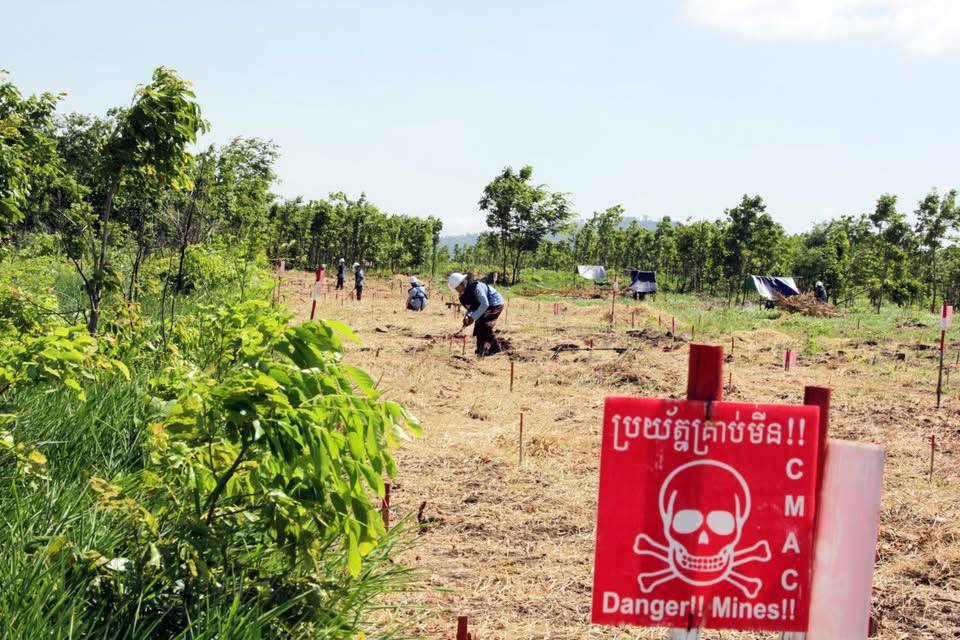
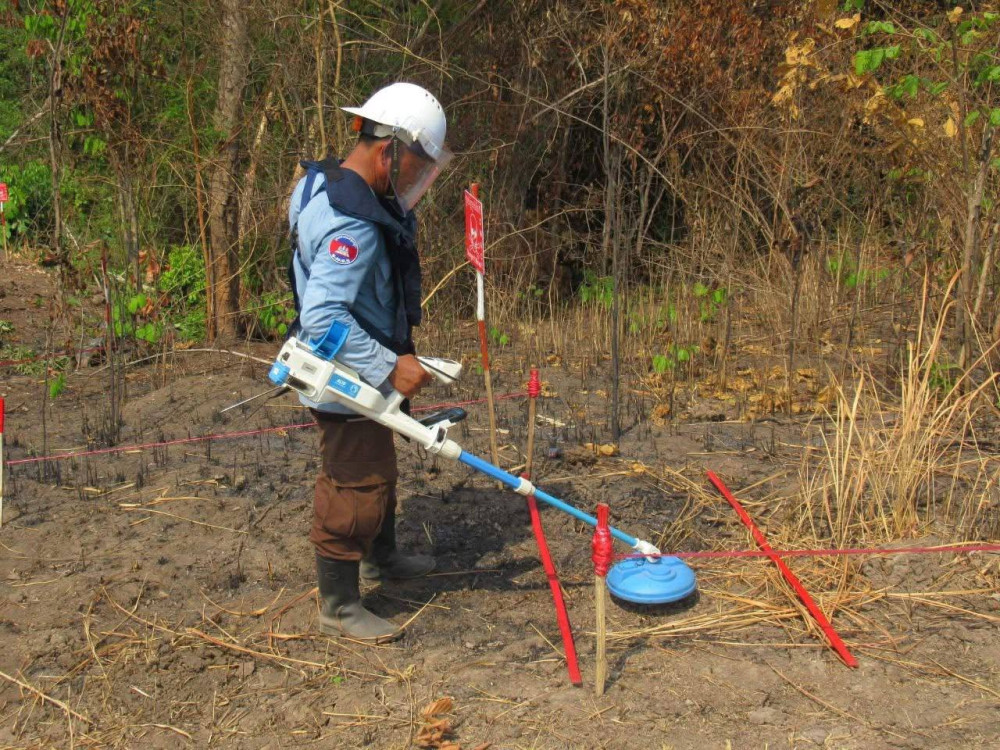
The Royal Government of Cambodia categorically denies these baseless and unfounded allegations. As a State Party fully committed to the letters and spirit of the Ottawa Convention, Cambodia strongly refutes any suggestion that it has violated its obligations under the Convention. Cambodia's consistent efforts and achievements in mine actions have been widely recognised by the international community, including for its significant progress in clearing explosive remnants of war on its own territory and for its contributions to United Nations demining operations in other post-conflict states.
The Ministry has to reiterate the fact that the incident in question occurred in Techo Morakot Village, Choam Ksan District, Preah Vihear Province, an area that lies well within Cambodia's internationally recognised territory. This territory is defined by the 1:200 000- scale maps produced by the Franco-Siamese Mixed Commission, pursuant to the 1904 Convention and the 1907 Treaty. These maps have long been recognised by both governments of Cambodia and Thailand as the authoritative basis for boundary demarcation of the two countries. They were also the reference maps for the International Court of Justice in its 1962 judgment and 2013 interpretation concerning the Temple of Preah Vihear.
It is deeply regrettable that Thai military personnel entered this area in violation of the 2000 Memorandum of Understanding, which clearly provides for joint boundary demarcation and prohibits unilateral activities in the undemarcated areas. Despite Cambodia's warnings regarding the dangers posed by unexploded landmines – relics of decades of armed conflict – Thai troops deviated from the patrol routes previously coordinated between the two countries and created a new path through Cambodian territory. This irresponsible action violated bilateral understandings, violated the territory under Cambodia's sovereignty, endangered lives, and eroded mutual trust. This is not to mention the illegitimate and illegal intention as announced by Thai military to impose rules for the entry of tourists and pilgrims into Tamone Thom temple, by claiming Thai sovereignty over the temple areas.
Despite clear and undeniable facts, Thailand continues to issue reckless and misleading statements, falsely claiming it has cleared landmines in the area where Thai soldiers were injured by a landmine explosion. In reality, Cambodian troops remain stationed in the area, and no demining activity, as claimed by Thailand, has taken place, as the area lies within Cambodian territory. Rather than acknowledging the truth and accepting responsibility, Thailand persists in disseminating false information to both the public and the international community. Cambodia urges Thailand to immediately cease such actions and take appropriate steps to rectify its misrepresentations.
The above incidents clearly illustrate the necessity for both countries to urgently pursue a peaceful, legally binding resolution through the appropriate international mechanisms. Cambodia, therefore, reiterates its long-standing position that the International Court of Justice – the principal judicial organ of the United Nations – is the most credible and impartial forum for resolving the remaining boundary disputes between the two countries.
Cambodia urges Thailand to accept the jurisdiction of the International Court of Justice on this matter, in good faith, in the fulfillment of its obligations under the United Nations Charter, and as a sincere commitment to a just, fair, and peaceful resolution to border disputes, to ensure lasting peace, prevent further unwarranted incidents, and contribute to long-term stability for both countries and the region as a whole.”
AKP