
 KH
KH  FR
FR  AR
AR CN
CNThree New Gecko Species Discovered in Cambodian Thmar Kambor Mountains Set Global Records
AKP Phnom Penh, July 01, 2025 --
A collaborative team of scientists has identified three new gecko species in Cambodia's Thmar Kambor mountain region of Battambang province, marking a significant global discovery.
These species, a bent-toed gecko and two types of leaf-toed geckos, have been officially recognised as new to science.
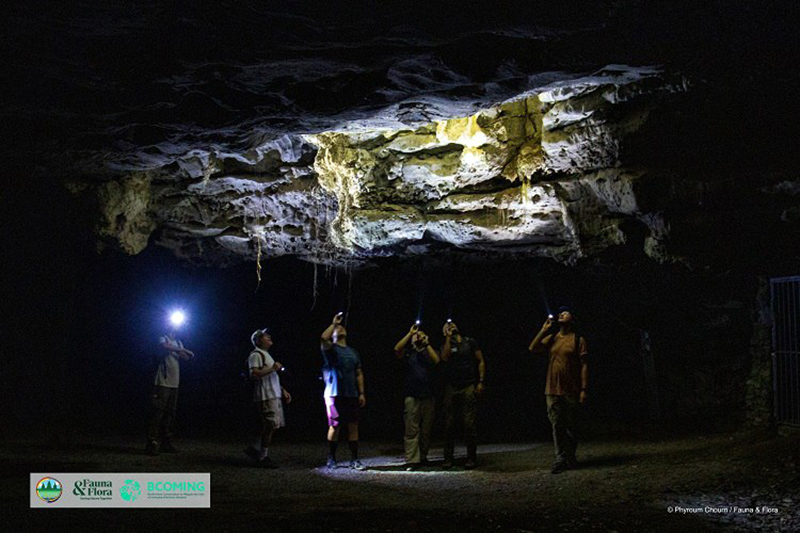
The breakthrough came in March 2024 during a research expedition supported by the European Union’s Bcoming project, according to H.E. Khvay Atithya, spokesperson for Cambodia's Ministry of Environment.
The research team included experts from the Ministry of Environment, the Wildlife and Plant Organisation of Cambodia, and La Sierra University (USA).
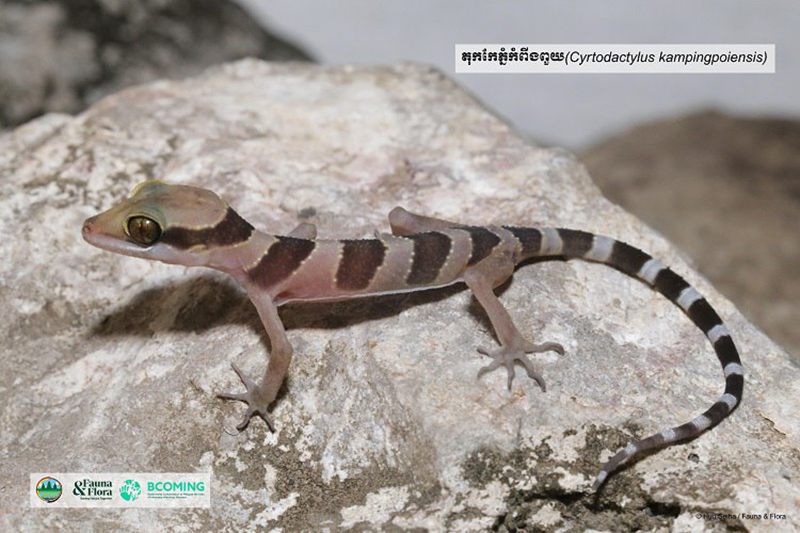
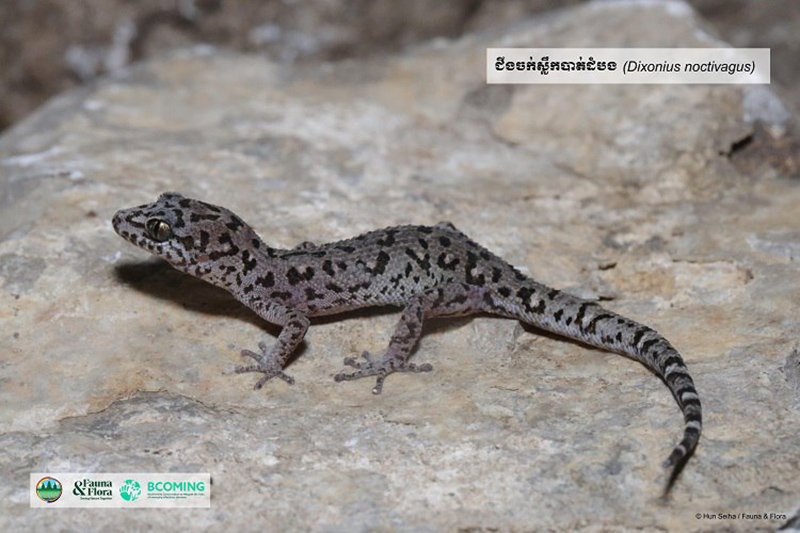
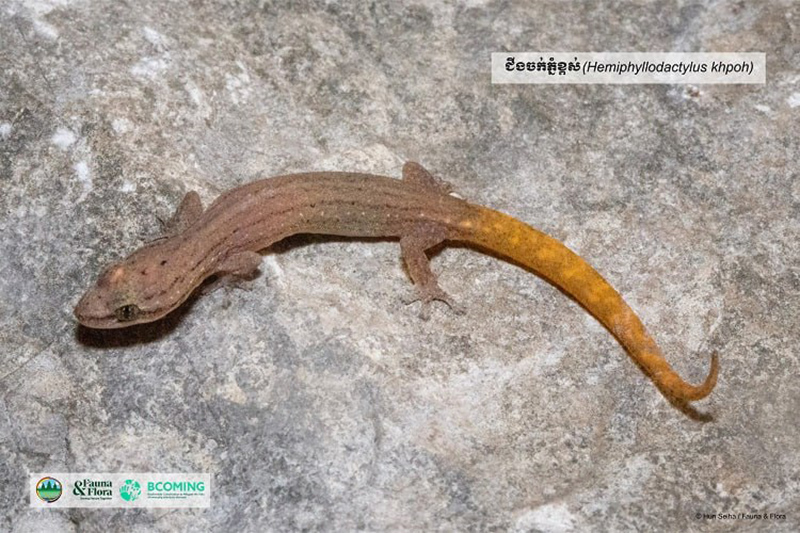
The newly identified species are: Kampingpuoy Mountain Bent-Toed Gecko (Cyrtodactylus kampingpoiensis): This species was found in Kampingpuoy Mountain, along with Phnom Banan, Phnom Sampov, and Phnom Khpoh. Its Latin name, kampingpoiensis, directly references the Kampingpuoy Mountain area where it was discovered; Battambang Leaf-Toed Gecko (Dixonius noctivagus): Also discovered in the same locations as the Kampingpuoy Mountain Gecko, its Latin name, noctivagus, translates to "night wanderer," highlighting its nocturnal behaviour; and Phnom Khpoh Leaf-Toed Gecko (Hemiphyllodactylus khpoh): This gecko was found in the Thmar Kambor, Phnom Khpoh mountains in Banan district. Its Latin name, khpoh, denotes the Phnom Khpoh highlands.
Given their limited known ranges and specific discovery sites, the research team has proposed classifying all three species as Critically Endangered on the IUCN Red List.
This underscores the critical ecological importance of Cambodia’s Thmar Kambor mountain systems, which harbour unique and highly specialised biodiversity found nowhere else globally.
Many of Cambodia's Thmar Kambor areas remain unexplored, leading scientists to believe that more rare and endemic species are likely to be found in these habitats. The team hopes this discovery will lead to enhanced protection efforts for these invaluable ecosystems and their distinctive wildlife.
By K. Rithy Reak