 KH
KH  FR
FR  AR
AR CN
CNCambodia Joins Global Digital Education Conference 2025 in Wuhan, China
AKP Phnom Penh, May 15, 2025-–
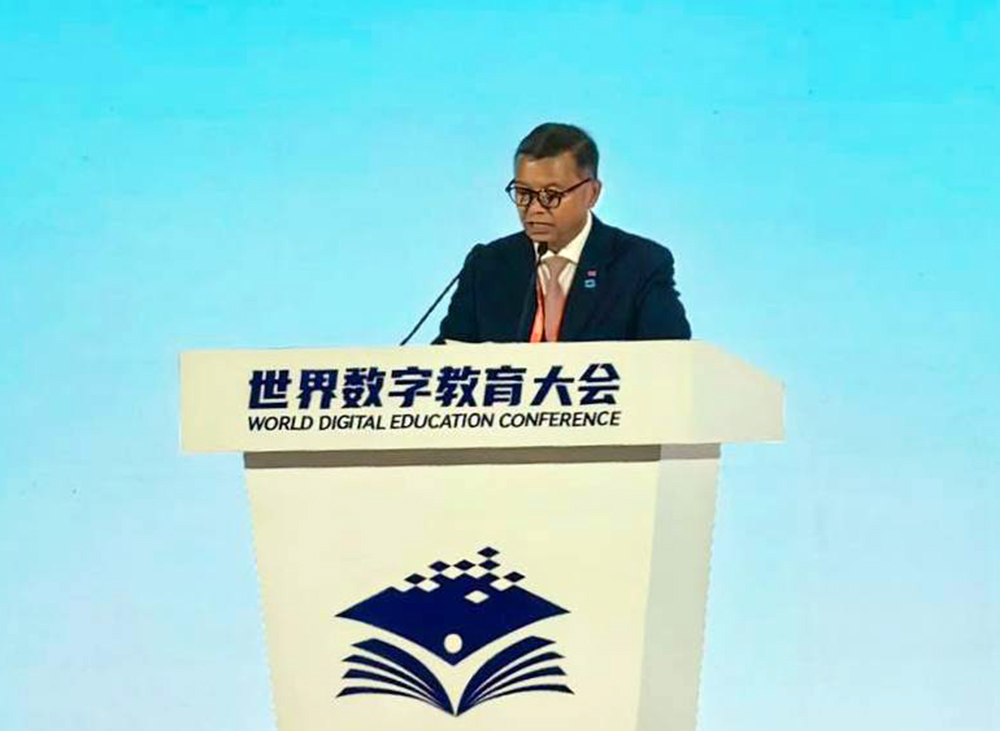
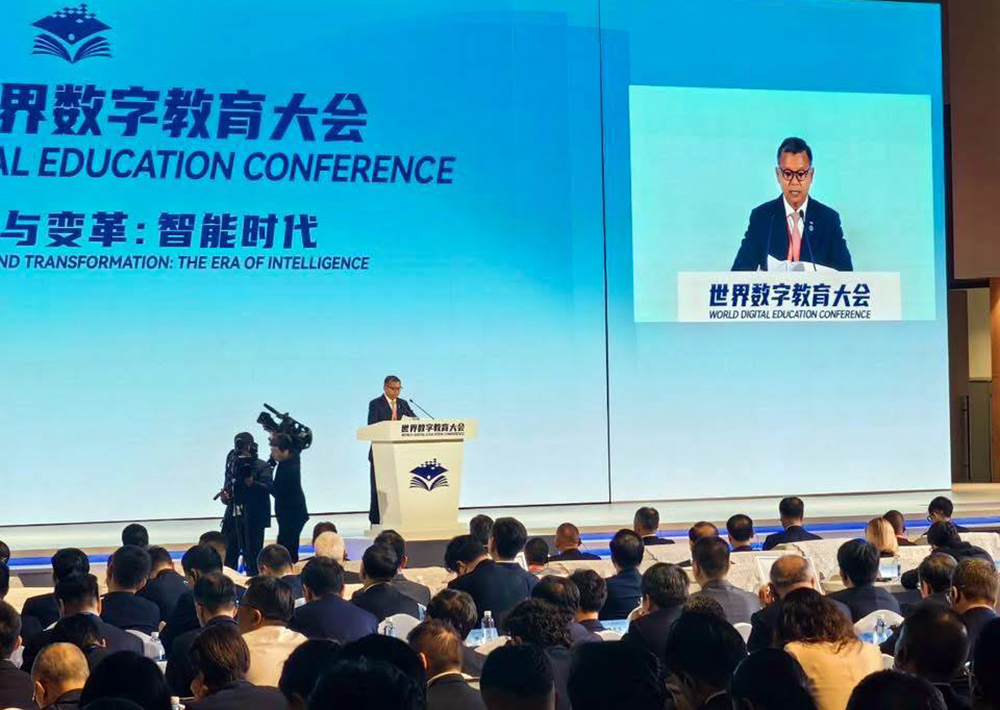
H.E. Dr. Hang Chuon Naron, Deputy Prime Minister and Minister of Education, Youth and Sports, led a delegation to the 2025 World Digital Education Conference held in Wuhan, People’s Republic of China, on May 14.
The summit was hosted under the theme “Education Development and Transformation: The Era of Intelligence”, organised by China’s Ministry of Education, the National Commission for UNESCO of China, and the Hubei Provincial Government.
In his keynote speech, Dr. Hang Chuon Naron highlighted seven core priorities for education transformation in the digital age:
1. Vision for Educational Transformation: Emphasising a shift toward personalised and data-driven learning, balanced with human values, in response to AI and big data technologies.
2. Equity and Digital Inclusion: Ensuring no learner is left behind by bridging the urban-rural divide, addressing gender gaps and socio-economic inequalities, recognising digital literacy as a basic right, and promoting access to affordable digital tools and localised content, especially in developing countries.
3. Integration of Smart Technologies in Learning: Advocating for the use of AI in learning, prediction, and analysis, while promoting hybrid learning models that combine digital and human interaction. He stressed the importance of collaboration between teachers and AI over replacement.
4. Empowering Teachers in the Digital Age: Encouraging teachers to evolve from knowledge transmitters to designers of smart learning environments, supported by continuous professional development in digital skills, creativity, and well-being.
5. Strengthening Policy, Governance, and Innovation Ecosystems: Calling for data-driven, proactive educational systems with responsive curricula, assessment, and teacher training that meet the demands of digital literacy and future skills, including frameworks for AI ethics, data privacy, and edtech quality.
6. Promoting International Cooperation and Knowledge Exchange: Highlighting the importance of global partnerships and intergovernmental collaboration to share best practices and pilot innovative educational technologies.
7. Building 21st Century Skills: Focusing on developing youth with social-emotional intelligence, adaptability, creativity, digital fluency, and active citizenship, under the guiding principle of “intelligence with compassion” to ensure that technology serves human development.
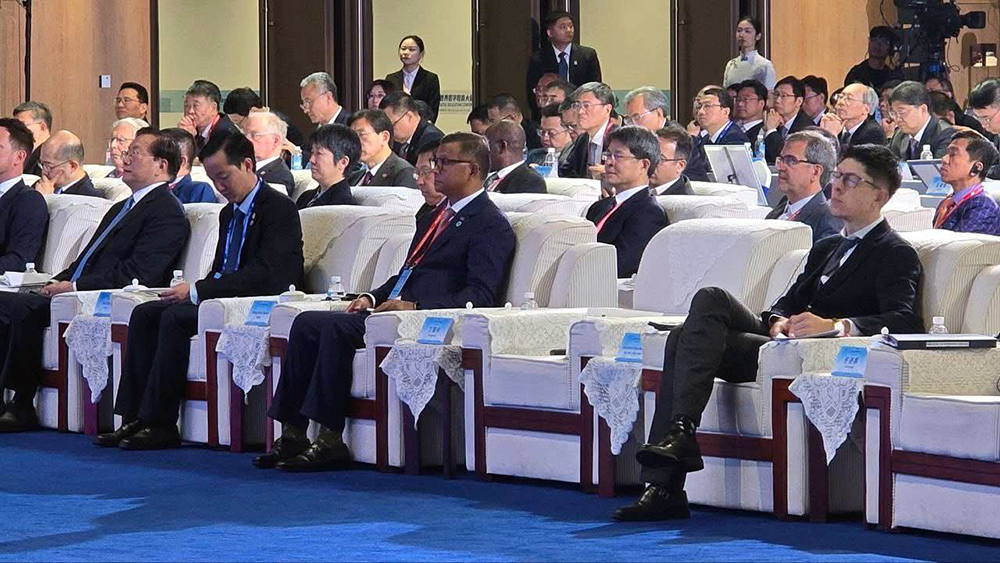
The confidence brought together global leaders, educators, and policymakers to discuss the future of education in a rapidly evolving technological world.

By K. Rithy Reak