 KH
KH  FR
FR  AR
AR CN
CNCambodia’s Press Freedom “Very Good,” Says Ministry of Information
AKP Phnom Penh, April 30, 2025 --
In 2025, the state of press freedom and media order in Cambodia have been evaluated as "very good", underlined a press release issued this evening by the spokesperson of the Ministry of Information.
Among the 467 journalists surveyed, the source continued, 81.4% rated the state of press freedom in Cambodia as "very good". Of these, 72.2% said the state was "good" and 9.2% said it was "excellence". This survey was conducted by the Ministry of Information as part of the second study on press freedom, using scientific research methods and based on Cambodia's 2024 baseline data on press freedom.
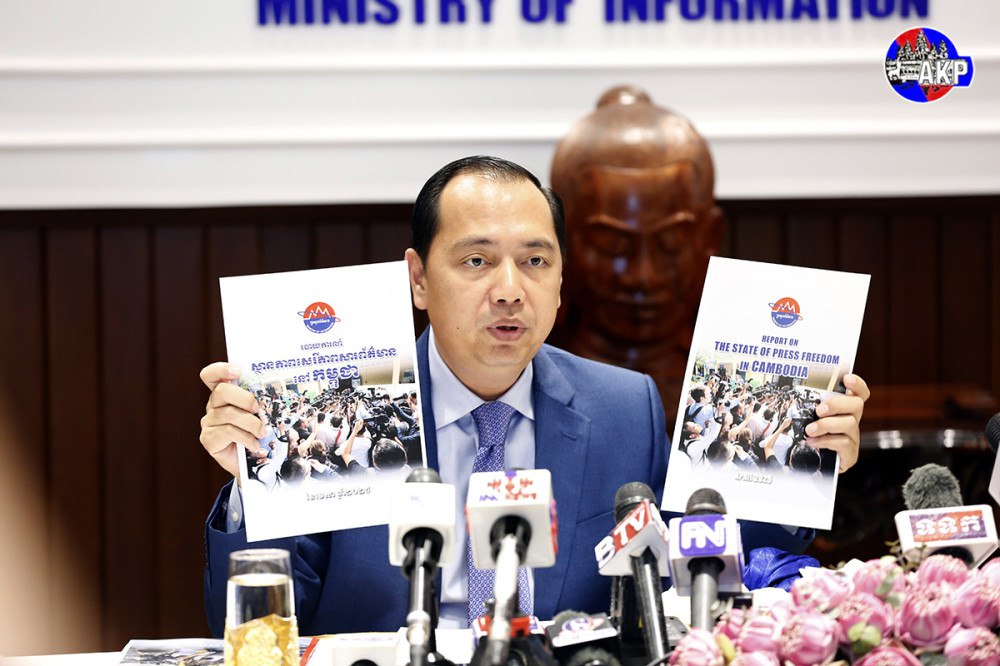
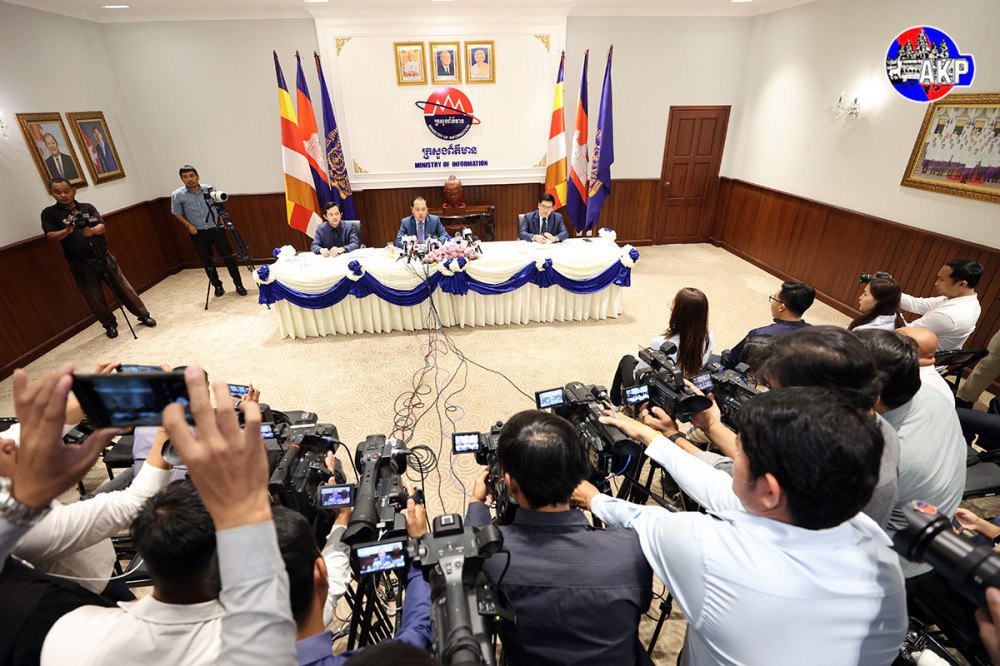
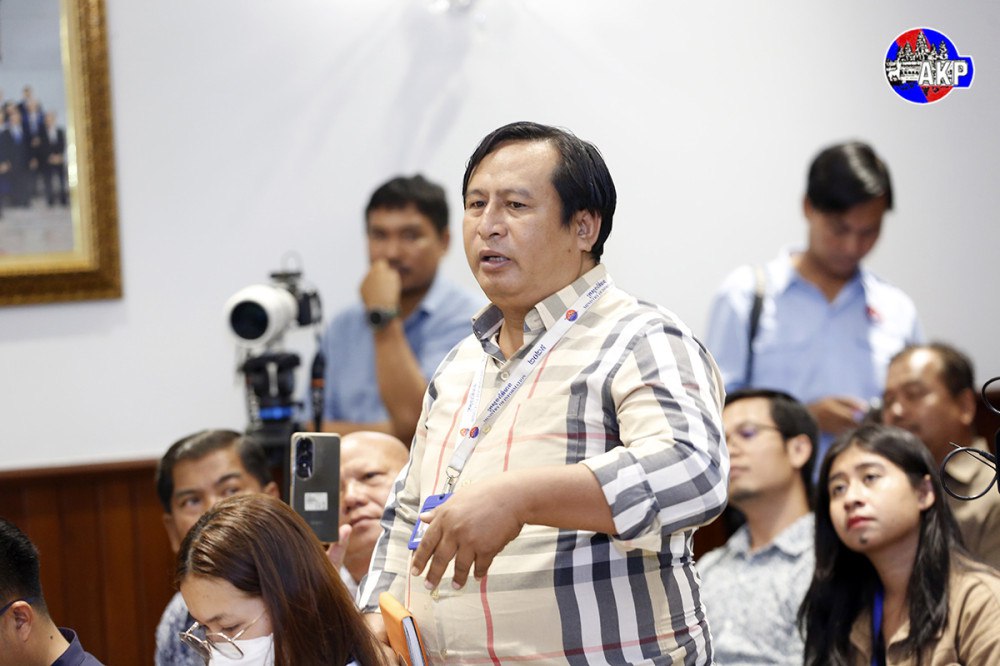
The results were officially released during a press conference organised on April 30, 2025, at the Ministry of Information, under the presidency of H.E. Neth Pheaktra, Minister of Information. The event saw participation from many national and international journalists and media representatives.
Addressing the conference, H.E. Neth Pheaktra presented the study's findings and shared insights on major developments in the information and broadcasting sectors from 2024 through quarter 1 of 2025. "Press freedom is a crucial catalyst for Cambodia's socio-economic development, guaranteed by the Constitution, the Law on the Press Regime, and other legal and ethical frameworks. Measuring press freedom is essential to reflect the space and state of press freedom, media space and the rights to information,” he stated. “This study showcases Cambodia's leadership in managing its media sector, with journalists and stakeholders actively demonstrating their stand, expressing their views, contributing voices to enhancing press freedom".
According to the press release, the study also assessed the professional media's role and ethical conduct in providing reliable information and knowledge for public benefit, leaders and national society for their decision-making and supporting sustainable development and economic growth. Based on the survey results, 71.8% of respondents rated media order as very good. More than 68% said unethical behaviour and conduct had decreased. More than 86% stated they had full freedom and safety in carrying out their journalism work, including easy access to information sources for reporting, suggesting an improved rate of 6.2% in term of work safety if compared to 2024 (which stood at 79.8%).
In terms of journalistic practice, 99% of respondents agreed that journalists have the right and duty to operate independently under the Law on the Press Regime and professional ethics, with social and legal accountability. Additionally, 77.5% said they performed their roles in accordance with the Charter for Professional Journalism and codes of ethics.
This report provides a foundational basis for leadership, management, and strategic planning in the media sector. It also ensures activity-based professional orientations in response to the need in public communication and information management, while ensuring media order, information security, and social harmony.
The research outcomes offer valuable references as the foundation for media practitioners and stakeholders in Cambodia to apply in their missions and turn findings into practical action for continued development of the media sector and its promotion at both national and international levels.
In the context of modern technology, the Royal Government of Cambodia-through the Ministry of Information-remains committed to promoting the press freedom and cooperation among all stakeholders to ensure safe digital information spaces that protect public interest, peace, and citizens' well-being.
"In light of media evolution, all stakeholders must adapt to current trends and align with the development of Cambodia's media, information and broadcasting sectors. These efforts are vital to ensure information quality, effective media systems, competitiveness, adherence to ethics, while combating fake news," H.E. Minister noted.
H.E. Neth Pheaktra also reaffirmed the Ministry of Information’s commitment to continuously fostering a favourable environment for work and mission fulfillment, and cooperation with all media operators, partners and relevant stakeholders to enhance journalistic professionalism, media effectiveness and sustainability. “These efforts include strengthening ethical practices, social and legal protection, and development of legal frameworks and norms to support information security and management,” he said.
By C. Nika