 KH
KH  FR
FR  AR
AR CN
CNGlobal South Scholars See China’s Path to Modernisation as a Model for Developing Nations
AKP Phnom Penh, April 25, 2025 --
Scholars from South Asian and Southeast Asian countries have lauded China’s remarkable industrialisation, poverty alleviation, and infrastructure growth as a model for global south, highlighting China’s experiences and valuable lessons that other nations can learn from.
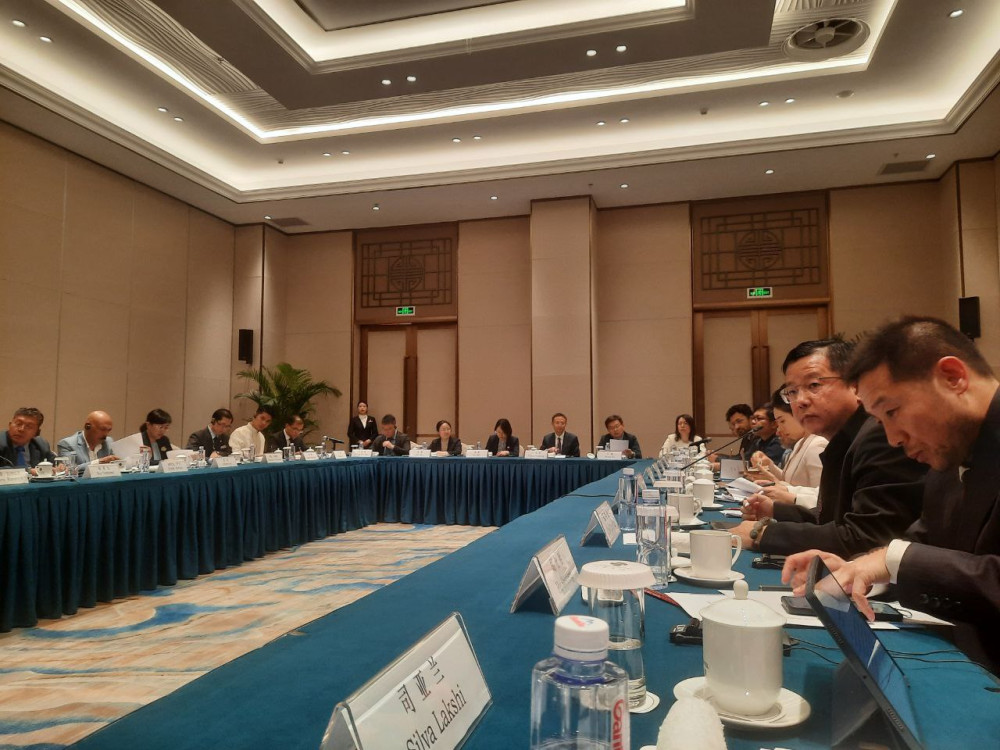
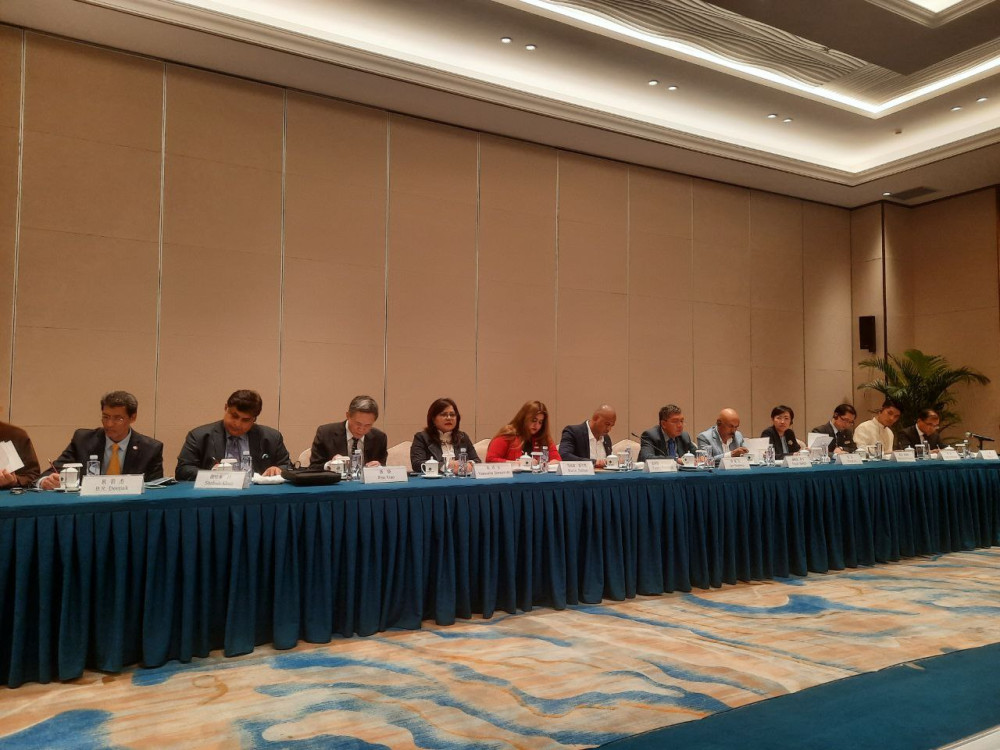
Speaking at a thematic seminar on Global Insights about the CPC: CPC’s Role in Advancing Modernisation of the Global South, held on April 23 in Beijing, the scholars underlined that in the context of the complex international situation, China’s experiences offer valuable lessons for other developing countries.
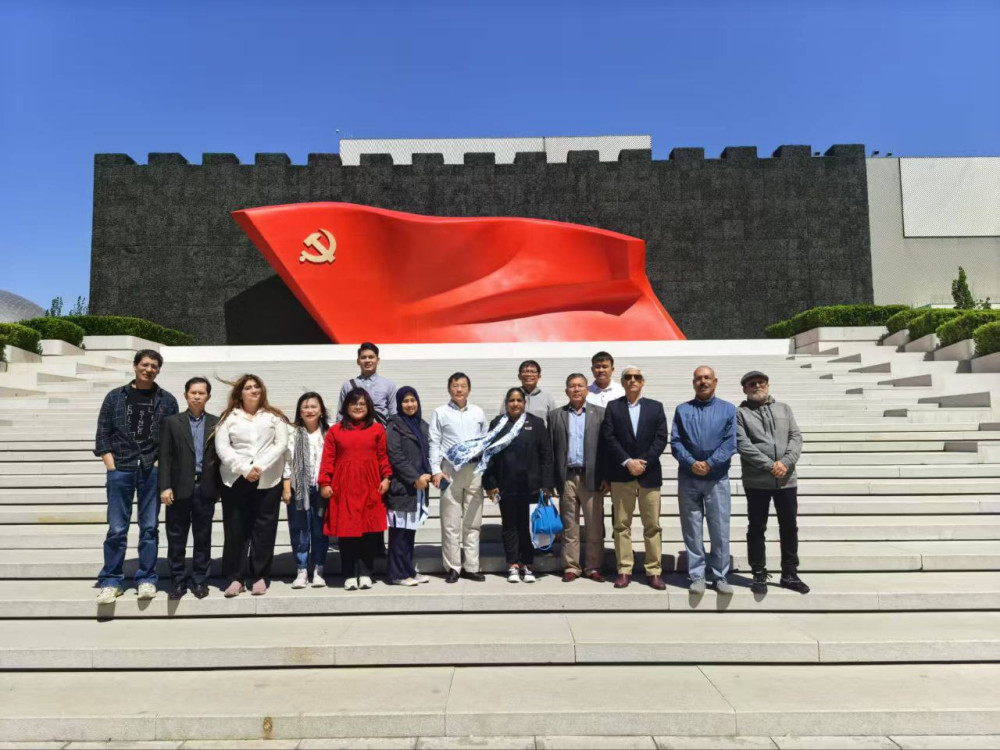
The seminar was jointly organised by the China Centre for Contemporary of the CPC Central Committee and the International Department of the CPC Central Committee. 25 think tank scholars, professors, researchers and senior journalists from China and South Asian and South East Asian nations attended the seminar.
The role of the Communist Party of China (CPC) is seen as a good model inspiration to other Global South nations, said Mr. Soy Sopheap, Chairman of the Cambodia-China Journalist Association.
“The CPC has positioned China as a key partner in advancing the modernisation of the Global South. China’s rapid industrialisation, poverty alleviation, and infrastructure growth offer a blueprint for global south countries seeking to balance sovereignty with modernisation,” he said.
Speaking at the seminar, H.E. Ma Hui, Vice Minister of the Information Department of the CPC Central Committee emphasised that China not only sets an example for other members of the Global South but also provides assistance for other countries through cooperation based on understanding among nations, in particular among Global South economies.
“The Global South think tank scholars could deepen research into each other's history, culture and development path to promote mutual understanding,” he said.
Delegations of scholars, professors, researchers, and journalists have highlighted the Belt and Road Initiative (BRI), proposed by Chinese President Xi Jinping, as a key driver of infrastructure investment—such as ports, railways, and energy projects—in Global South nations.
In Cambodia, BRI has provided great benefits for Cambodia's socio-economic development. As a developing country, Cambodia faces numerous challenges in its development, particularly the lack of capital to invest in infrastructure and connectivity projects, which are the key elements to support the country's economic and trade growth in the long run.
The BRI has assisted Cambodia in filling this gap as its projects have helped build essential infrastructure such as roads, bridges and airports that are the backbone of the Kingdom’s economic growth.
BRI flagship projects like the Phnom Penh-Sihanoukville Expressway, the Sihanoukville Special Economic Zone and the Siem Reap Angkor International Airport have become the symbol of national pride and carry strategic importance for Cambodia.
China’s initiatives are conducive to safeguarding the collective interests of mankind and are aimed at advancing the cause of peace, justice and progress of the people of the world, and reflect their common aspirations for a better world, Mr. Soy Sopheap said.
Scholars, professors, researchers, and journalists from countries including Cambodia, India, Bangladesh, Laos, Vietnam, Indonesia, Malaysia, Pakistan, the Philippines, Nepal, and Sri Lanka have wrapped up educative visit to China.
Trips from rural landscapes to the urban vibrancy of Chongqing and Beijing have brought to life China’s remarkable journey of modernisation and the guiding principles of President Xi Jinping’s Thought on Socialism with Chinese Characteristics.
By Chea Vannak